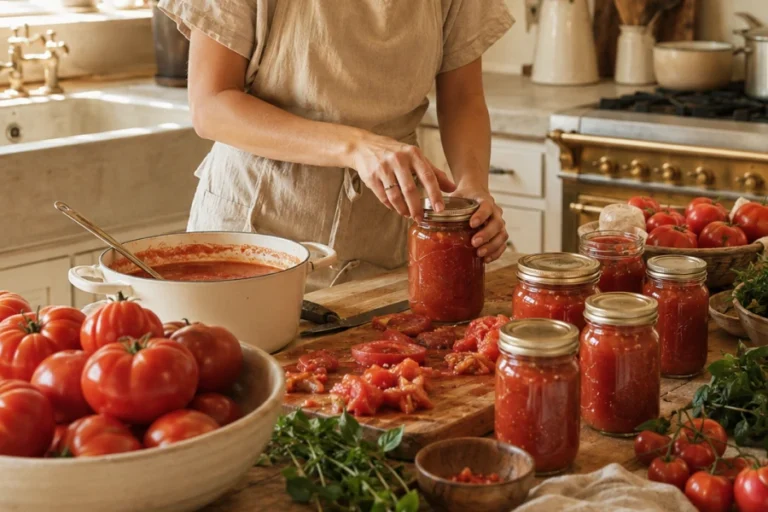
Hosting becomes stressful when dinner has to prove something. Casual dinner party menus offer another approach: food that feels thoughtful, welcoming, and realistic to prepare. The goal is not a flawless table or a restaurant-level production. It is a gathering where guests feel comfortable and the host stays present. A strong menu gives you confidence because it limits unnecessary decisions. It also makes shopping, prep, and timing easier to manage. Choose food that you would be happy to make even without company. Then add one small element that makes the evening feel special. A low-pressure entertaining plan can make that balance easier to create.
Why Casual Dinner Party Menus Should Feel Flexible
Guests remember warmth more clearly than complicated plating. A flexible menu protects that atmosphere because it can adjust when plans change. Someone may arrive late, bring an extra guest, or have a dietary preference you did not expect. Choose dishes that can wait briefly without losing quality. Serve components separately when that makes the meal easier for everyone. Build a menu around food that is naturally generous, such as a pasta bake, big salad, taco spread, or tray of roasted vegetables. These formats invite people to serve themselves comfortably. They also reduce last-minute kitchen stress. A relaxed host usually creates a relaxed room.
Build Around a Single Main, Not a Table Full of Tasks
The easiest menus begin with one clear centerpiece. Choose a main dish that feels satisfying and manageable for the number of people attending. Then add one side, one fresh element, and one simple finish. This formula keeps the table balanced without creating an endless prep list. A hearty soup can pair with good bread and a crunchy salad. A baked pasta can need only greens and an easy dessert. Think about serving temperature before choosing the menu. Dishes that hold well give you more time with guests. A easy hosting framework helps you keep the menu focused from the start.
Casual Dinner Party Menus Use Repeating Ingredients
Ingredient overlap makes hosting easier without making the meal feel repetitive. Herbs used in the main dish can appear again in a dressing. Citrus can brighten both a drink and dessert. Roasted vegetables can move from a starter platter to the side dish. This reduces shopping stress because every item has a purpose. It also creates a more cohesive table. Look for ingredients that work in at least two parts of the meal. That simple rule helps avoid a refrigerator full of half-used extras. It keeps the budget more reasonable too. The menu feels intentional because its parts quietly connect.
Plan the Day Before With Less Pressure
Good hosting begins before guests walk through the door. Make a short timeline that separates what can happen early from what needs final attention. Grocery shopping and kitchen cleanup can happen the day before. Sauces, dressings, desserts, and chopped vegetables often can as well. Save only the finishing steps for the day of the gathering. This gives you a buffer when timing runs late. It also lets the kitchen feel calmer during the final hour. Write down serving dishes and tools before you need them. A flexible menu system makes those decisions easier to repeat for future gatherings.
Casual Dinner Party Menus Make Guests Easier to Feed
Consider how guests will actually eat before finalizing the plan. Shared platters work well when the meal is casual and people know each other. Individual bowls can feel simpler for a smaller group or a table with dietary differences. Put sauces, herbs, and toppings on the side when possible. That gives guests a little control without adding work for you. Keep one satisfying option that does not depend on a single ingredient. It is a thoughtful way to accommodate changing preferences. More importantly, it prevents the host from worrying about every plate. The table should feel inviting, not overmanaged.
A Simple Finish for Casual Dinner Party Menus
Dessert does not need to introduce another major project. Choose something that can be made ahead, bought from a favorite local bakery, or assembled quickly. Fruit, cookies, ice cream, or a simple cake can end the evening beautifully. The final course should support the gathering’s mood. Let it be easy to serve and easy to enjoy. Once dinner starts, release the need to improve every detail. Light the candles, pour the drinks, and sit down. Your guests came to spend time with you. A menu that leaves you at the table does exactly what good hosting should do.